

Asphalt surfaces represent a significant investment in any property, and their lifespan depends heavily on how well they are maintained after installation. Neglected asphalt deteriorates progressively — small cracks become large ones, surface oxidation accelerates, and water infiltration eventually destroys the base. Proper maintenance practices extend surface life by years and reduce the total cost of ownership compared to properties where pavement is replaced repeatedly due to avoidable damage.
Understand How Asphalt Ages
Asphalt ages through two primary mechanisms: oxidation from UV exposure and oxygen in the air, and mechanical stress from traffic loads and freeze-thaw cycles. Oxidation causes the binder that holds aggregate particles together to harden and become brittle, producing surface cracking and raveling. Freeze-thaw damage occurs when water enters existing cracks, expands as it freezes, and widens those cracks with each cycle. Understanding these aging mechanisms explains why surface protection and crack management are the two most impactful maintenance priorities for any asphalt surface.
Start With Quality Asphalt Driveway Paving Installation
Extending pavement life begins before the surface is even placed. Quality asphalt driveway paving installation requires proper base preparation, correct mix specification for the expected traffic and climate, adequate compaction, and appropriate thickness for the load requirements. Surfaces installed over inadequate bases or with substandard materials fail earlier regardless of how well they are maintained afterward. Selecting a qualified contractor with verifiable experience and requesting documentation of materials and compaction testing ensures the pavement starts its service life with the foundation needed for maximum longevity.
Apply Sealcoating on Schedule
Sealcoating is the most cost-effective maintenance treatment available for asphalt surfaces. A quality sealcoat applied according to the manufacturer’s recommended schedule fills surface voids, restores the dark appearance of new asphalt, and creates a protective barrier against fuel spills, oil, and UV exposure. The first application should occur after the surface has cured sufficiently — typically six months to a year after installation — and should be repeated every two to three years depending on traffic volume and climate conditions. Consistent sealcoating significantly slows the oxidation process.
Address Cracks Before They Spread
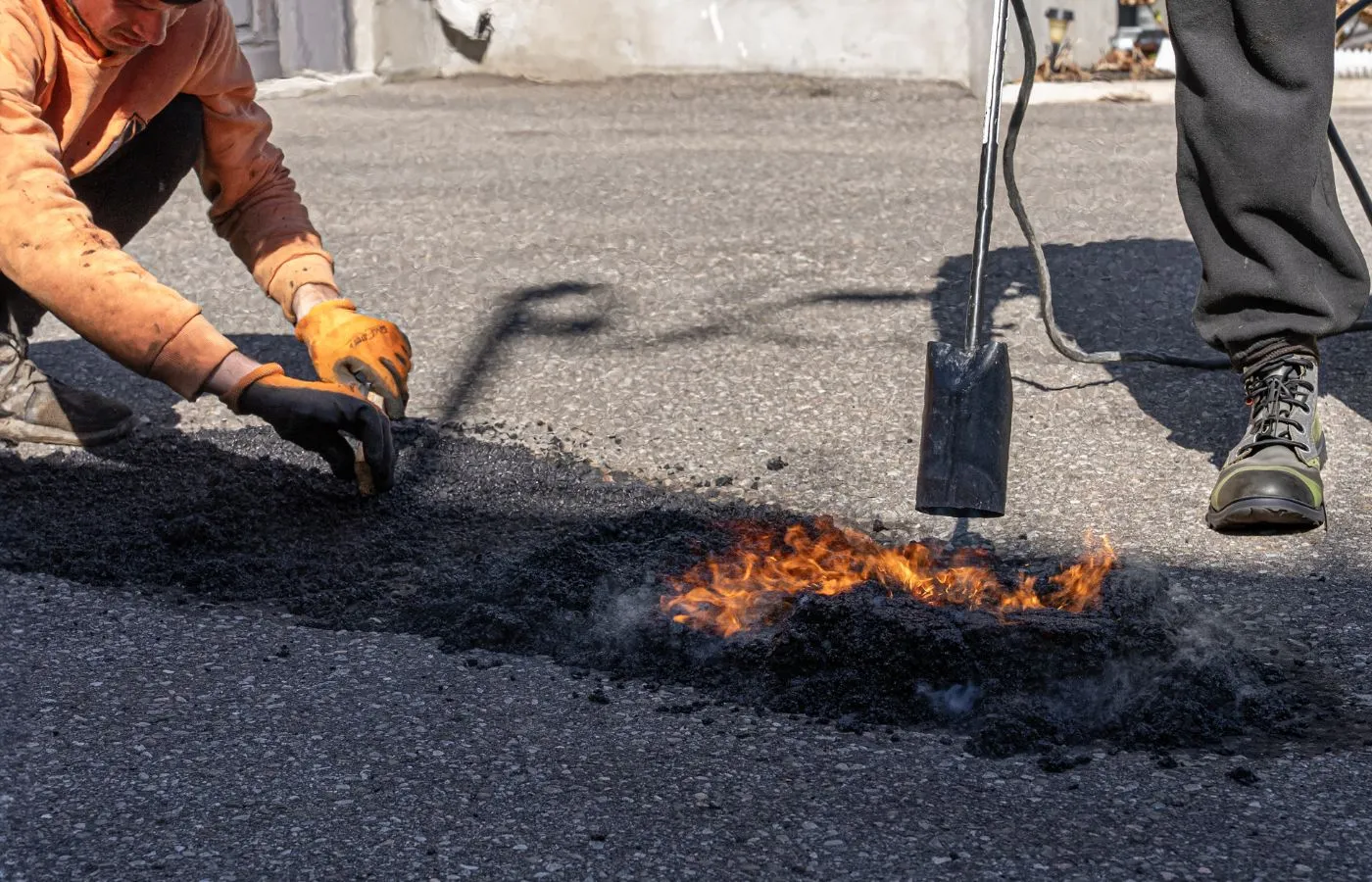
Crack filling is a time-sensitive maintenance task that prevents minor surface damage from becoming a major structural problem. Water entering unfilled cracks reaches the base material, softens it, and causes the surface above to deform and eventually fail. Cracks should be cleaned and filled with appropriate hot- or cold-pour crack filler before water infiltration begins.
Manage Traffic Loads and Drainage
Asphalt surfaces last longest when they are used within their design load capacity and kept free of standing water. Heavy vehicles parked consistently in the same location create rutting and depression that eventually requires patching. Ensuring that drainage directs water away from the surface edges and that no areas allow ponding reduces the moisture-related damage that shortens pavement life. Redirecting downspouts that discharge onto paved areas, maintaining edge restraints, and keeping drains clear of debris are simple measures that protect the surface investment year-round.
Conclusion
Extending the life of asphalt surfaces requires consistent attention to protection, crack management, drainage, and load control. Property owners who follow a structured maintenance schedule spend significantly less over the life of their pavement and avoid the disruption of premature replacement.