

Table of Contents
- Introduction
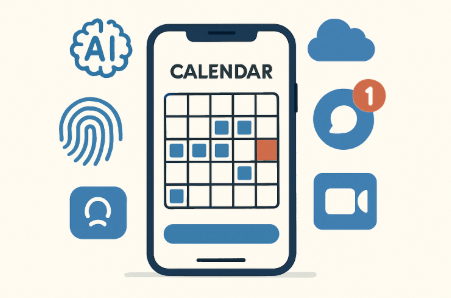
- AI-Driven Scheduling
- Omni-Channel Booking
- Telemedicine and Virtual Consultations
- Biometric Authentication
- Cloud-Based Solutions
- Real-Time Scheduling with 5G
- Enhanced Patient Experience
- Conclusion
Introduction
Time management and ease of access have become crucial in today’s digitized world. Traditional scheduling methods, like multiple phone calls and email chains, are quickly replaced by intelligent systems that streamline the process. The rising expectation for instant access and personalization has fueled rapid technological change in appointment scheduling. More people now rely on features like real-time booking, automated reminders, and self-service interfaces, benefiting organizations and individuals seeking efficiency.
Incorporating these modern solutions means less time spent managing logistics and focusing more on what matters. Businesses can use advanced appointment scheduling software to improve client satisfaction and optimize workflows. As technology evolves, consumers and service providers find that digital appointment management enhances convenience, security, and overall experience. Whether you’re booking a healthcare consultation, a salon visit, or a business meeting, the process is easier than ever.
Seamless integration across devices, instant notifications, and predictive tools are transforming how businesses operate and how customers interact with them. This accelerates decision-making and empowers people to adapt appointments to their busy lifestyles. Ultimately, advanced appointment solutions represent a shift toward personalized, responsive service across industries.
Organizations must embrace these innovations and adapt their workflows accordingly to stay ahead, ensuring they meet client expectations in the digital era. Worldwide, users are gravitating toward businesses that offer modern scheduling options and responsive customer service, making the shift toward digital platforms more essential than ever.
AI-Driven Scheduling
Artificial Intelligence (AI) reshapes appointments by automating and optimizing complex calendar management tasks. AI-driven scheduling systems use historical data to forecast demand, spot no-show trends, and fill last-minute gaps. These features make calendar management proactive instead of reactive. For example, an AI tool might suggest optimal appointment times based on past customer preferences and real-time provider availability, freeing staff to focus on hands-on care or service duties. Forbes explores how AI is revolutionizing business operations.
Omni-Channel Booking
Today’s consumers demand flexibility and accessibility. Omni-channel scheduling meets this need by allowing users to book appointments from any device, at any time, using their preferred communication method—a website, an app, social media messenger, or even smart speakers. Unlike traditional, siloed multi-channel methods, omni-channel platforms provide real-time updates across all interfaces. This ensures clients can make, amend, or cancel appointments effortlessly, with instant synchronization for providers and customers alike.
Telemedicine and Virtual Consultations
The dramatic rise of telehealth has permanently expanded the scope of appointment scheduling solutions. Digital platforms now regularly combine in-person and virtual visits, giving patients more choices and reducing travel barriers. Healthcare providers can seamlessly coordinate telemedicine, remote monitoring, and in-office consultations with advanced scheduling tools within a single interface. This hybrid model delivers flexible care, often improving patient satisfaction and access, particularly for those in remote or underserved areas.
Biometric Authentication
Security and privacy in appointment management have gained renewed focus as digital platforms proliferate. Biometric authentication—such as fingerprint scans, facial recognition, or voice matching—offers robust protection against fraud and accelerates check-in. In healthcare, patients can swiftly verify their identity without relying on physical IDs or passwords. These advancements streamline front-desk operations, reduce wait times, and enhance overall safety for clients and providers.
Cloud-Based Solutions
Cloud-based appointment scheduling systems allow organizations across industries to centralize and synchronize data in real-time. Integrated cloud tools facilitate seamless communication, automatic updates, and efficient resource allocation. Staff and clients benefit from 24/7 secure access, mobile compatibility, and easy scalability as business needs grow. These solutions provide both peace of mind and a competitive edge by simplifying IT management and offering robust data backup. Read more on cloud computing’s business impact at CIO.
Real-Time Scheduling with 5G
With the introduction of 5G networks and edge computing, real-time scheduling is more efficient than ever. The increased bandwidth and lower latency provided by 5G enable more interactions—even video consultations and instant booking confirmations—to happen with minimal delays. Businesses benefit from processing larger volumes of bookings, instant availability updates, and dynamic calendar adjustments, improving responsiveness and reducing missed opportunities.
Enhanced Patient Experience
Online appointment scheduling systems have revolutionized how patients and customers engage with service providers. No longer confined by office hours or phone queues, users can now book appointments on their own terms, 24/7. This empowerment leads to higher satisfaction, fewer missed appointments, and better long-term outcomes. Custom notifications, reminders, and easy rescheduling further drive positive experiences, especially for individuals managing chronic conditions, mobility issues, or tight schedules.
Conclusion
The rapid adoption of advanced scheduling technology transforms industries by creating smoother, safer, and more convenient booking experiences. AI, omni-channel access, telemedicine, biometrics, and cloud platforms are now essential tools for businesses that want to remain agile and customer-focused. As technology advances, remaining flexible and responsive to client expectations will be crucial. By embracing these innovations, organizations can deliver superior service and future-proof workflows in the digital age.