

Table of Contents
- Introduction
- Conduct Regular Maintenance Checks
- Upgrade to Energy-Efficient Appliances
- Implement Water-Saving Techniques
- Utilize Smart Thermostats
- Take Advantage of Utility Company Programs
- Be Mindful of Peak Usage Times
- Educate Your Household
- Consider Renewable Energy Sources
Introduction
Managing household utility bills is a top priority for many families, especially when dealing with essential expenses such as gas and water. The good news is that with a few smart lifestyle adjustments and strategic home upgrades, you can significantly lower costs and boost energy efficiency—without compromising comfort. Homeowners exploring reliable backup solutions, like generators Edgewater MD, can also enhance overall energy management, ensuring consistent power while maintaining cost-effective and sustainable living.
Whether you rent or own, these practical strategies can help you achieve real monthly savings, contribute to environmental conservation, and extend the life of your appliances. By understanding which factors impact your bills, you can make informed decisions that benefit your household and the planet.
Conduct Regular Maintenance Checks
Consistent inspections and timely maintenance of your home’s plumbing and heating systems can prevent expensive leaks and mechanical breakdowns. A tiny drip from a faucet or showerhead can waste hundreds of gallons each month, rapidly increasing your water bill. Similarly, service checks on your gas lines and appliances — including heating systems, stoves, and water heaters — not only prevent inefficiencies but also ensure safety, reducing the risk of dangerous gas leaks. According to the U.S. Environmental Protection Agency, home water leaks nationwide waste nearly one trillion gallons of water yearly.
Upgrade to Energy-Efficient Appliances
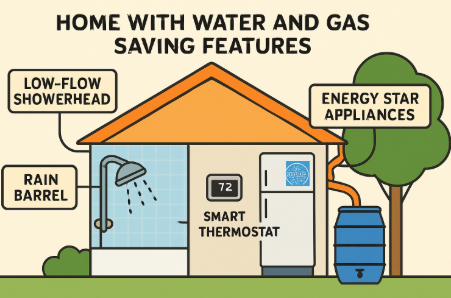
Modernizing your home appliances can create significant and lasting savings. Appliances certified with the ENERGY STAR label are independently verified to use less energy and water, resulting in lower monthly bills. Swapping out old water heaters, washing machines, and dishwashers for newer models can quickly pay off — especially in busy households. For example, an ENERGY STAR washing machine uses about 25% less energy and 33% less water than standard models. Be sure to consult your local retailer and utility websites for potential incentives and rebates for energy-efficient upgrades.
Implement Water-Saving Techniques
Seemingly simple adjustments to your daily routine can add up to major reductions in overall water use. Install low-flow showerheads and aerated faucets in bathrooms and kitchens to cut water flow without sacrificing performance. Prioritizing prompt repair of leaks can save hundreds or even thousands of gallons annually. Incorporating landscaping with drought-resistant plants and using mulch to retain soil moisture reduces your need for irrigation. For outdoor water use, consider adding a rain barrel system to collect and reuse rainwater on your garden or lawn, further reducing your reliance on supplied water sources.
Some municipalities offer free or discounted home water audits to encourage even greater efficiency. These audits can identify hidden leaks and recommend further improvements. The Consumer Reports guide on saving water offers tips on lowering usage without sacrificing convenience.
Utilize Smart Thermostats
Smart thermostats have transformed how households manage both comfort and costs. These devices automatically adjust temperatures based on occupancy or learned habits, helping households avoid unnecessary gas heating during sleep or when the home is unoccupied. The U.S. Department of Energy estimates that reducing your thermostat setting by 7-10°F for eight hours a day during colder months can cut heating bills by up to 10% annually. Smart thermostats provide monitoring and scheduling features via user-friendly apps, so you can track savings and adjust settings on the go.
Take Advantage of Utility Company Programs
Utility providers across the country offer a variety of programs aimed at helping consumers lower their energy and water usage. Many companies provide rebates for purchasing efficient appliances, free home energy assessments, and seasonal bill forgiveness programs for qualifying income levels. For instance, Southern California Gas Co. (SoCalGas) reported over $95 million in customer savings in 2024 through energy efficiency initiatives. Contact your utility provider or check their website for eligibility, additional incentives, and tips on maximizing your energy dollars.
Be Mindful of Peak Usage Times
Utility rates can vary dramatically depending on demand. Off-peak hours — often late evening or early morning — generally have lower rates. To take advantage of this, schedule high-usage tasks such as running the dishwasher or laundry machine during these times. Some utility companies provide lower “time-of-use” pricing plans, so always check which rates apply to your household’s appliances to maximize your savings potential during non-peak times.
Educate Your Household
Household-wide engagement can make a significant difference. Educate family members about efficiency best practices, such as shutting off lights in empty rooms, taking shorter showers, and not running tap water unnecessarily. Small actions, when multiplied across a household and practiced consistently, can collectively yield large utility savings. Consider placing reminder notes near faucets and switches or holding a brief family meeting to discuss conservation goals each season.
Consider Renewable Energy Sources
Investing in renewable energy, such as solar water heating systems, can significantly reduce your reliance on gas. While installation costs can be higher upfront, the long-term financial and environmental rewards are compelling. Solar water heaters, for instance, draw energy directly from the sun to provide consistent home heating. Over time, these systems pay for themselves through reduced monthly bills and increased home value. Learn more about how renewable energy benefits homeowners from Consumer Reports’ energy-saving guide.
Implementing these practical strategies can reduce your household’s gas and water expenses, contribute positively to the environment, and enjoy improved peace of mind year-round.