

Key Takeaways:
- Botox injections have emerged as an effective treatment for chronic migraines, offering relief to many sufferers.
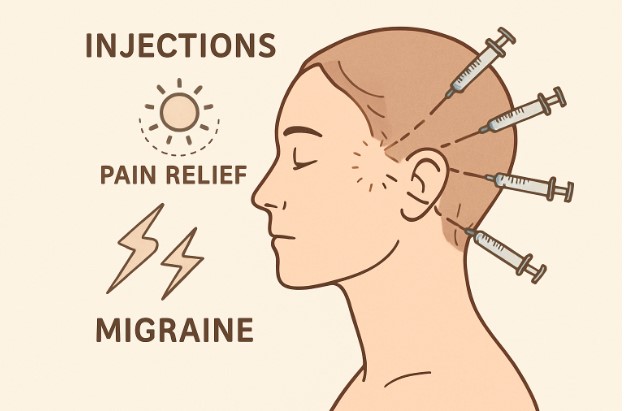
- The procedure involves multiple injections targeting specific areas of the head and neck.
- Clinical studies have demonstrated significant reductions in migraine frequency and severity with Botox treatment.
- While generally safe, Botox treatments can have side effects and may not be suitable for everyone.
- Consulting with a healthcare professional is essential to determine if Botox is an appropriate treatment option.
Understanding Migraines
Migraines are more than occasional headaches; they represent a complex neurological condition that can disrupt daily life for millions worldwide. Symptoms often include severe, throbbing pain, frequently accompanied by nausea, vomiting, and hypersensitivity to light and sound. Some individuals experience visual disturbances, or “aura,” before the onset of head pain, making the condition even more debilitating. Without effective treatment, migraines can significantly limit an individual’s ability to work, socialize, or engage in routine activities.
Various options are available for managing migraines, but not all work for everyone, and many people require a combination of medication, lifestyle changes, and preventive therapies. For those who experience chronic migraines—defined as headaches occurring at least 15 days per month—newer approaches are necessary to restore quality of life. Among these solutions, botox for migraines Jacksonville, FL is gaining attention as an advanced and effective method of relief for those suffering from this persistent condition.
Botox as a Treatment for Chronic Migraines
Botox has become a household name for its cosmetic applications, but its role in healthcare extends far beyond wrinkle reduction. The FDA approved Botox specifically for chronic migraines in 2010, following promising research showing its capacity to decrease both the frequency and severity of debilitating headache episodes. People who experience migraines more than half of the month may be eligible for Botox therapy, particularly if other treatments have fallen short of expectations.
How Botox Works
Botox, scientifically known as onabotulinumtoxinA, is a neurotoxin that temporarily blocks the transmission of nerve signals in targeted muscles. When used for migraines, the injection prevents the activation of pain networks in the brain by disrupting the transmission of chemicals associated with headache and pain sensitivity. This helps reduce the frequency and severity of migraine attacks, minimizing the disruption these headaches cause in everyday life.
The precise way Botox relieves migraines isn’t fully understood, but current research suggests it blocks the release of certain neurotransmitters that carry pain signals. When these pathways are interrupted, the cascade of processes that leads to a migraine attack can be halted before symptoms become overwhelming.
The Botox Treatment Procedure
The procedure itself is straightforward and minimally invasive. During the treatment, a healthcare provider administers a series of about 31 injections with a fine needle into seven specific muscle areas around the head and neck. Each session typically takes 15 to 20 minutes, and patients can usually return to normal activities immediately afterward.
To maintain the benefit, injections are repeated roughly every 12 weeks. Since chronic migraine is an ongoing condition, ongoing sessions are recommended to provide continuous relief and prevent migraines from returning to their previous intensity and frequency.
Clinical Evidence Supporting Botox for Migraines
A considerable body of clinical research supports the use of Botox for chronic migraines. Large-scale studies, including PREEMPT clinical trials, have found that Botox can significantly reduce the number of days each month spent battling migraines. For example, patients who responded to Botox often experienced an average reduction of up to 90% in their Migraine Headache Index score, which measures the burden of headache frequency, intensity, and duration. This evidence positions Botox as a highly reliable, preventive therapy tailored to patients with persistent migraine attacks.
The New York Times has highlighted stories of migraine sufferers whose lives have dramatically improved thanks to the stability and reduction in symptoms achieved with Botox protocols. These real-world success stories back up the scientific findings and serve as a testament to the impact of this innovative approach.
Potential Side Effects and Considerations
Like any medical procedure, Botox injections can produce side effects. Most are mild and temporary, such as neck pain, headache, or localized muscle weakness. More serious side effects, including allergic reactions or drooping eyelids, can occur in rare cases. These risks underscore the importance of administering injections by experienced specialists familiar with migraine-specific protocols.
Patients should disclose their full medical history and medication regimen during their initial consultation. While Botox is generally well-tolerated, it may not be suitable for everyone. Women who are pregnant or breastfeeding, for instance, are generally advised to avoid the procedure.
Is Botox Right for You?
Not every migraine sufferer is a candidate for Botox. The treatment is specifically approved for adults with chronic migraines, which are defined as headaches occurring on 15 or more days each month for at least three months, with at least eight of those days featuring migraine symptoms. Botox may present a compelling option worth exploring if you’ve tried other preventive treatments without adequate relief.
As always, an individualized care plan is essential. Speak with a reputable healthcare provider specializing in headache medicine to discuss whether Botox aligns with your symptoms, health history, and overall treatment goals.
Conclusion
For those living with chronic migraines, the introduction of Botox therapy marks a significant leap forward in effective, preventive care. By intervening in the neurological cascade that triggers migraine attacks, Botox helps restore hope and quality of life for many. If you’re considering a new path in your migraine journey, seek out a consultation from a local specialist to explore your options further, botox for migraines may be the solution you need to regain control over your health and well-being.