

Key Takeaways
- Understanding the root causes of anger is essential for effective support.
- Active listening and validation can de-escalate tense situations.
- Encouraging healthy coping mechanisms promotes better anger management.
- Setting clear boundaries protects both parties involved.
- Seeking professional help is beneficial when necessary.
Table of Contents
- Introduction
- Understanding Anger
- Active Listening and Validation
- Encouraging Healthy Coping Mechanisms
- Setting Clear Boundaries
- Seeking Professional Help
- Practicing Self-Care
- Educating Yourself About Anger Management
- Maintaining Patience and Consistency
Introduction
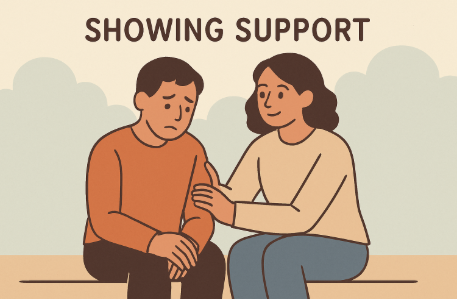
Supporting a loved one who is grappling with anger issues is often demanding and emotionally challenging. Providing meaningful help requires patience, empathy, and practical strategies for you and your loved one. Learning more about how anger impacts relationships and considering resources like online anger management courses can make a real difference in how you support someone struggling with these emotions.
Anger is a complex emotion that can disrupt communication, strain connections, and even lead to lasting harm if not addressed constructively. Before you can support someone else, it’s crucial to understand the underlying causes and learn proven methods to help diffuse difficult moments and foster healthier ways to cope.
In this guide, we’ll explore why understanding the roots of anger is essential, how active listening and healthy boundaries help, and the importance of professional support. Using these practical strategies, you can help your loved one find healthier outlets for their feelings and improve your relationship.
Remember, supporting someone with anger is not just about helping them manage their reactions—it’s also about ensuring both of you feel respected and safe in your relationship.
Understanding Anger
Anger is a natural and sometimes necessary emotional response to perceived threats or injustices. However, underneath the surface, anger is often a mask for deeper feelings such as fear, hurt, or frustration. By acknowledging this complexity, you can show compassion and offer support that goes beyond simply addressing the outward symptoms. Educating yourself on the emotional drivers behind anger is a crucial first step in helping your loved one feel seen and understood.
According to the Psychology Today Anger Resource Center, understanding the why behind the outbursts gives context to what your loved one is experiencing, making it easier to respond calmly and helpfully.
Active Listening and Validation
Emotional support starts with listening. When anger flares up, use active listening by giving your undivided attention—avoid interruptions and judgments during their expression. Let your loved one know you are truly present by nodding, maintaining eye contact, and paraphrasing what they say to confirm your understanding. Validate their experience by acknowledging statements like, “It makes sense you feel this way,” or “I can see that this situation is difficult for you.” This approach can diffuse emotional intensity and foster openness.
Active listening and validation turn potentially explosive conversations into opportunities for connection. They create a safe space for your loved one to feel heard and reduce their need to escalate in order to be understood.
Encouraging Healthy Coping Mechanisms
Rather than focusing on suppression, support your loved one in adopting healthier coping skills in response to anger. Suggest positive outlets, such as:
- Deep Breathing Exercises: Encourage slow, mindful breathing to help calm the mind and body.
- Physical Activity: Activities like walking, running, or yoga can redirect energy and ease tension.
- Mindfulness and Meditation: Practicing meditation or grounding techniques promotes self-awareness and emotional control.
As noted by the Open Path Collective, regular use of relaxation and mindfulness exercises supports overall emotional regulation, reducing reactivity over time.
Setting Clear Boundaries
Establishing boundaries is essential for maintaining a safe environment and healthy relationship dynamics. Clearly communicate what types of behavior are unacceptable—such as shouting, insults, or threats—and specify the consequences if those boundaries are violated. The goal is not punishment but clarity, allowing everyone involved to feel safe and understood. This can be as simple as saying, “I will step away if you begin yelling. We can talk when things are calmer.”
According to the Verywell Mind boundaries guide, healthy boundaries are crucial for self-preservation and mutual respect in difficult situations.
Seeking Professional Help
If your loved one’s anger is frequent, intense, or leads to harm, professional intervention may be vital. Please encourage them to contact a therapist, counselor, or anger management specialist. Professionals can offer personalized tools and insights to uncover the roots of anger and teach constructive ways to respond. If you notice patterns of violence or significant relationship strain, this step becomes even more essential for everyone’s safety and well-being. Trusted organizations, like the National Alliance on Mental Illness (NAMI), offer resources and guidance for finding help.
Practicing Self-Care
Supporting someone with anger issues takes an emotional toll. Be proactive about self-care by engaging in activities you enjoy, prioritizing rest, and seeking support from friends or support groups. Remember that your well-being is equally important and enables you to be a steadier source of support. Taking breaks and recharging prevents resentment and burnout, benefiting you and your loved one in the long run.
Educating Yourself About Anger Management
The more you learn about anger, the better equipped you’ll be to support your loved one. Resources like the Open Path Collective’s anger management course can provide valuable techniques, tips, and confidence to handle challenging moments productively. Consider books, support groups, or even courses dedicated to anger management to deepen your understanding and practical know-how.
Maintaining Patience and Consistency
Finally, significant change—and the mending of relationships—takes time. Be patient with setbacks and celebrate small victories. Consistently reward constructive behaviors and approach setbacks as learning opportunities rather than failures. By remaining steady, calm, and encouraging, you’ll have the greatest impact on your loved one’s progress and sense of support.
Through understanding, compassion, and practical support, you can play a vital role in helping your loved one manage their anger in healthier ways. By implementing these strategies, you and your loved one gain tools to create a more harmonious and respectful relationship.