

Table of Contents
- Introduction
- Plan Before You Pack
- Use Uniform-Sized Boxes
- Label Everything Clearly
- Maximize Vertical Space
- Store Frequently Accessed Items at the Front
- Create Aisles for Easy Access
- Protect Your Items
- Disassemble Large Furniture
- Utilize Clear Plastic Bins
- Use Furniture to Store Items
- Store Heavy Items on the Bottom
- Leave a Clear Path
- Keep an Inventory List
- Regular Maintenance and Cleaning
Introduction
Organizing a self-storage unit isn’t just about tossing items into a space—effective organization can save you time, reduce frustration, and keep your belongings in top condition. Whether you’re storing seasonal decorations, business inventory, or items in transition, knowing how to maximize your space is crucial. Those in the area can find many solutions at their local public storage facility Petaluma.
Before you start packing, it’s vital to have a clear plan. With the right strategies, you can create an organized storage space that’s efficient and easy to navigate. Below, you’ll find proven techniques to keep your unit tidy and accessible.
Plan Before You Pack
Take time to design your storage approach before moving a single box. Start by inventorying all items to be stored, accounting for their sizes, shapes, and any items requiring special handling. This list makes it simpler to visualize the layout, reducing the need for future rearranging.
Use Uniform-Sized Boxes
Uniformity in boxes makes stacking much easier and safer. Select standard-sized, sturdy boxes for most items to maximize floor and vertical space, optimizing how they fit together. Sturdy boxes are less likely to collapse under heavy loads and ensure stability during storage.
Label Everything Clearly
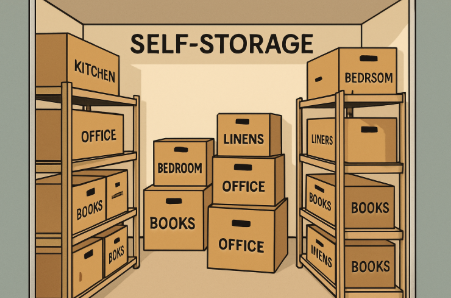
Always label boxes with their contents on at least two sides and the top. Consider numbering your boxes and keeping a master list in a notebook or a digital spreadsheet. A simple labeling system can save you hours when searching for a specific item later. Check RentCafe’s guide to storage unit organization for extra tips on creating an inventory.
Maximize Vertical Space
Stacking boxes from floor to ceiling helps utilize every inch of your storage unit. Place the heaviest boxes at the base, and lighter, more fragile ones on top. Shelving units can also help you stack and access smaller items efficiently, allowing for more organized storage and improving safety.
Store Frequently Accessed Items at the Front
Keep items you’ll need often, such as holiday decorations or essential documents, towards the front of your unit. This reduces the effort required to find and retrieve high-use items and saves you the trouble of digging through less-used belongings at the back.
Create Aisles for Easy Access
If your unit is large enough, leave space between stacks or rows to create aisles. Even a small walkway can prevent the need to move multiple items for access and let you retrieve or rearrange items as needed, making long-term storage much more manageable.
Protect Your Items
Invest in quality packing materials like bubble wrap, moving blankets, or packing paper to wrap fragile objects. Cover furniture with sheets or purpose-made covers to prevent dust buildup, and place wooden pallets under boxes to protect them from moisture. These extra steps protect your belongings from damage over time. For additional protective measures, find further recommendations from Angi’s storage unit tips.
Disassemble Large Furniture
Break down large items like tables, bed frames, and shelving units to maximize your space. Store removable legs, screws, and hardware in clearly labeled bags, taped securely to the respective furniture to prevent loss. Smaller parts kept with their main pieces are simple to locate and keep your organization intact.
Utilize Clear Plastic Bins
Clear bins are convenient for items you might need to access regularly. They allow you to see contents at a glance and offer better resistance against moisture and pests than cardboard. This approach minimizes the hassle of opening multiple containers when searching for a specific item.
Use Furniture to Store Items
Maximize storage by filling smaller items with empty dresser drawers, wardrobes, or chests. Use this hidden space for softer, fragile, or loose objects, but remember to leave an inventory note of what’s inside to avoid confusion.
Store Heavy Items on the Bottom
Always begin stacking with your heaviest boxes or containers at the bottom of each stack. This stable base supports lighter stacks above it, preventing crushing and potential injury when items are retrieved.
Leave a Clear Path
Maintaining a clear walkway from the entrance to the back wall ensures safe movement and quick access to all parts of your storage unit. Even in tighter spaces, try to leave a small gap for more straightforward navigation and safety.
Keep an Inventory List
Staying organized requires up-to-date records. Keep a detailed inventory—either paper-based, a spreadsheet, or a storage app—noting each box number, label, category, and special notes on fragile or high-value contents. A digital backup can be handy for remote access or when removing or adding more items.
Regular Maintenance and Cleaning
Set reminders to check in on your unit periodically. Dust, organize, and clear out unneeded items as you go. Regular cleaning prevents damage and clutter, ensuring your storage area remains easily accessible and your belongings protected over time.
Organizing your self-storage unit doesn’t have to be difficult. By following these strategies, you’ll keep your stored possessions safe, easily accessible, and well-preserved—saving stress and ensuring you make the most of every square foot.