

Table of Contents
-
Regular Inspections
-
Proper Pruning Techniques
-
Soil Health Management
-
Water Conservation Strategies
-
Integrated Pest Management
-
Safe Tree Removal Practices
-
Seasonal Preparations
-
Engaging Professional Arborists
Trees are invaluable to our environment and landscapes. They provide shade, improve air quality, reduce noise pollution, and enhance property value. Keeping them healthy and safe is an ongoing responsibility for homeowners and property managers alike. Adopting a proactive approach to tree care not only ensures long-term vitality but also protects people and assets from potential hazards. For anyone facing unexpected hazards such as storm damage or fallen limbs, timely solutions like emergency tree service Cincinnati, OH can help restore safety quickly and efficiently.
Sustainable and safe tree maintenance practices combine science, practical knowledge, and a commitment to stewardship.
Regular Inspections
Routine tree inspections serve as the first line of defense against disease, decay, and structural issues. Trained eyes can spot subtle symptoms such as wounds, cavities, or fungal growths before they become dangerous. Annual checkups in residential, school, or park environments enable early intervention to address weak branches, pest infestations, or root problems that might threaten property or public safety. In some cases, arborists utilize specialized tools to assess internal decay or evaluate risks posed by mature trees, making regular inspections crucial for responsible tree management.
Proper Pruning Techniques
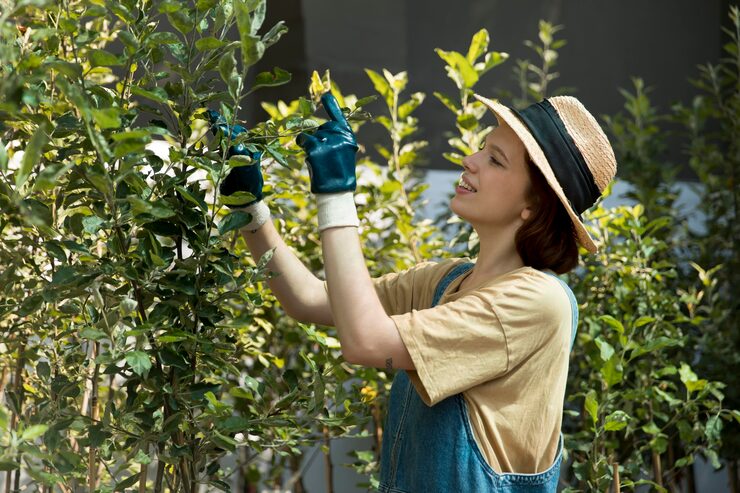
Pruning is essential to maintain tree health, encourage robust growth, and prevent dangerous limb failures. Effective methods include:
-
Crown Thinning: This technique involves selectively removing smaller branches throughout the canopy to increase sunlight penetration and airflow, thereby reducing the risk of disease.
-
Structural Pruning: Shaping young trees with well-placed cuts helps establish a strong, balanced frame that supports future growth and withstands storms.
-
Deadwood Removal: Eliminating lifeless or diseased branches is critical to halting the spread of decay and protecting people and structures below.
Proper timing is key: pruning during dormancy reduces stress and allows rapid healing come spring.
Soil Health Management
Healthy soil is fundamental to thriving trees, supplying necessary nutrients and supporting robust root systems. Effective soil management strategies include adding organic mulch and compost to boost fertility and moisture retention. Periodic soil tests inform decisions about correcting pH levels, improving drainage, and addressing deficiencies in essential elements. Restoring soil health in urban settings, where compaction and nutrient loss are common, creates an optimal environment for trees to flourish naturally.
Water Conservation Strategies
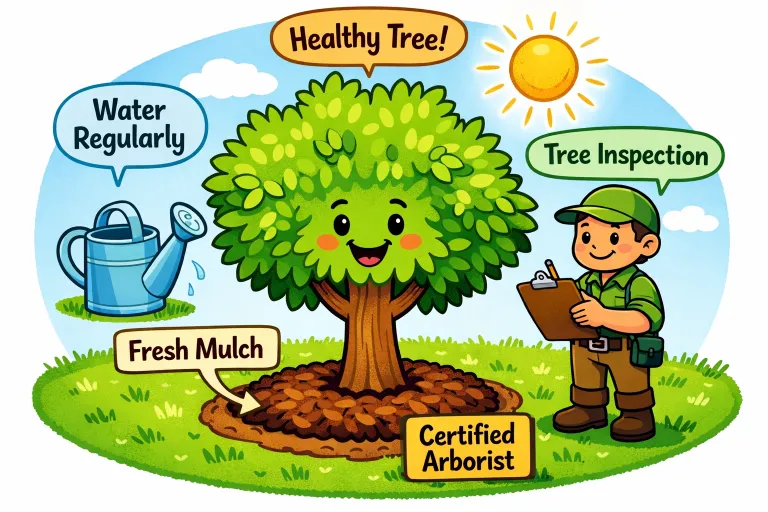
Efficient irrigation is increasingly vital as droughts and climate change reshape local weather patterns. Sustainable tree care emphasizes targeted watering, such as drip irrigation systems that deliver moisture directly to tree roots, minimizing runoff and evaporation. Mulching beds around trees also helps retain soil moisture and regulate temperature. Rainwater harvesting systems offer an eco-friendly option to supplement irrigation during dry months, preserving both trees and water resources.
Integrated Pest Management
Integrated Pest Management (IPM) encourages minimal reliance on chemicals by combining monitoring, biological controls, and organic treatments. Frequent inspections for early pest signs, such as leaf discoloration or unusual growths, prompt immediate action. Introducing beneficial insects, such as ladybugs or lacewings, creates a natural balance by keeping populations of harmful pests like aphids in check. Using organic sprays or oils as a last resort further reduces harm to ecosystems and pollinators.
Safe Tree Removal Practices
At times, tree removal becomes necessary due to disease, storm damage, or utility encroachment. A thorough site assessment is essential to identify hazards such as overhead wires, unstable ground, or nearby buildings. Careful planning ensures falling trees do not damage surrounding structures or endanger people. Whenever possible, replanting native species maintains ecological balance and beautifies the landscape for future generations.
Seasonal Preparations
Preparing trees for each season reduces the risk of damage from weather extremes. In late fall and winter, pruning dormant trees minimizes disease transmission and eases wound healing. Applying fresh mulch in autumn insulates roots against freezing temperatures. After major storms, prompt inspection helps locate and remedy broken branches, root exposure, or other structural compromise before problems escalate.
Engaging Professional Arborists
Certified arborists bring a wealth of knowledge to the table, ensuring well-informed tree care decisions. Services range from comprehensive health evaluations to specialized pruning and disease management plans. Arborists can recommend tree species suited to local soil, weather, and landscape goals, increasing the odds of long-term success on every project. Seeking expert guidance for design, planting, or emergency response ensures the highest standards of safety and sustainability in all tree maintenance efforts.
Implementing these best practices for tree maintenance safeguards more than just individual landscapes. It promotes urban canopy health, enhances ecosystem resilience, and supports the well-being of communities for generations to come.