

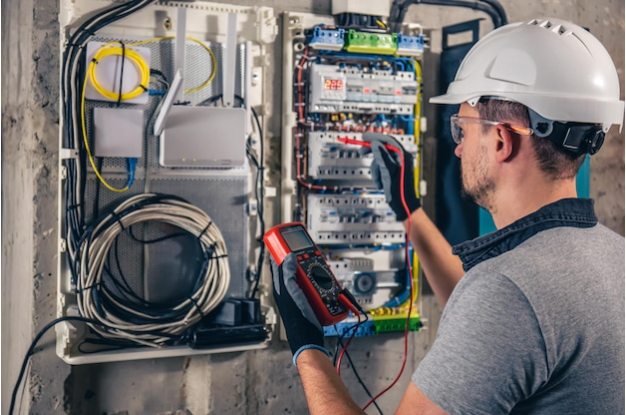
The importance of safety in the workplace cannot be overstated, and one vital aspect of workplace safety is the test and tag process. This practice ensures that electrical appliances and equipment meet safety standards, reducing the risk of electrical hazards such as shocks and fires.
1. Initial Assessment and Scheduling
The first step in the test and tag process is typically an initial assessment. Most services begin with a thorough evaluation of the workplace environment to determine the types of equipment that require testing.
This can include anything from power tools to kitchen appliances. Companies often need to schedule a time for professionals to visit and conduct the testing, which is usually arranged at a convenient time to minimize disruption.
2. Equipment Examination
Once onsite, the professionals will start the test and tag process by examining each item for any visible signs of damage or wear. This visual inspection helps in identifying any apparent issues before the electrical testing is conducted. Equipment that shows signs of significant deterioration may be flagged for immediate removal from service.
A thorough examination is crucial, as it is the first line of defense against potential hazards. Understanding the condition of your equipment is an essential part of the test and tag process.
3. Electrical Testing
After the initial inspection, the next stage in the test and tag process involves electrical testing of the equipment. Professionals will utilize specialized tools to measure factors such as insulation resistance, earth continuity, and polarity. Each appliance undergoes a series of tests designed to ensure that it operates safely under normal conditions.
This process is guided by industry standards, specifically AS/NZS 3760, which outlines the specific requirements for in-service safety inspection and testing of electrical equipment.
4. Tagging and Documentation
Once the testing is complete, appliances that pass will receive a tag indicating their compliance with safety standards. The tag will typically include important information, such as the date of testing, the technician’s details, and the next due date for retesting.
This documentation is essential for maintaining compliance with legal obligations and keeping track of the equipment’s safety status. In the test and tag process, proper tagging and documentation serve as visual reminders for employees and management regarding the status of their equipment.
5. Handling Failed Equipment
If any equipment fails the test and tag process, it will be clearly marked and removed from service. The technician will provide guidance on whether the appliance can be repaired or if it needs to be replaced entirely.
This step is crucial in ensuring that potentially hazardous equipment is not used, thereby protecting employees from accidents. The handling of failed equipment is a significant part of the test and tag process, ensuring safety remains a top priority in the workplace.
Conclusion
In conclusion, the test and tag process is an essential component of workplace safety, ensuring that electrical equipment is safe and compliant with regulatory standards. From initial assessment and scheduling to testing, tagging, and handling any failed items, each step in the process is designed to keep employees safe and operations running smoothly.
By understanding what to expect during the test and tag process, businesses can emphasize safety and foster a culture of compliance within their organization.