

Key Takeaways
- Identifying the root cause of hair loss is vital for finding an effective solution.
- Many widespread beliefs about hair loss aren’t supported by clinical research.
- Consulting medical professionals ensures a personalized treatment approach.
Table of Contents
- Understanding Hair Loss
- Common Myths About Hair Loss
- Effective Hair Loss Treatments
- Lifestyle Changes to Prevent Hair Loss
- When to Seek Professional Help
- Conclusion
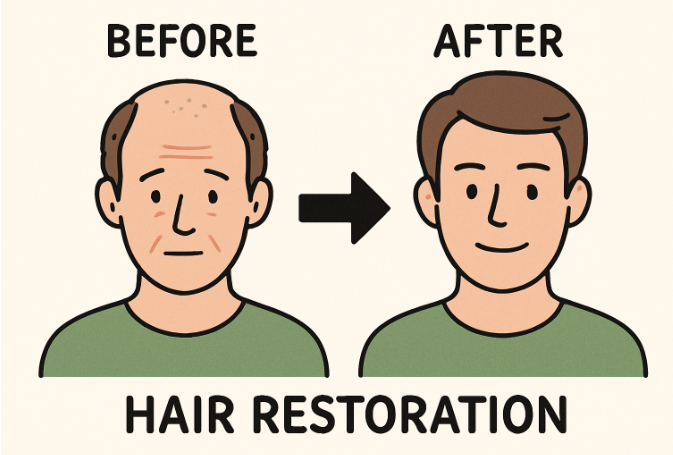
Hair loss is a challenge faced by millions worldwide and can significantly impact self-esteem and overall well-being. As information floods the internet, it’s increasingly important to determine what truly works for hair regrowth and what is simply a myth. For those seeking answers, both prevention and effective intervention are key. If you’re considering options like hair restoration Rockville, finding evidence-based guidance is critical.
Hair loss can be caused by genetics, medical conditions, hormonal changes, and even lifestyle choices, making each person’s experience unique. Fortunately, there are more solutions available now than ever before, and scientifically validated options offer hope for those who wish to address thinning or balding. In a crowded field of both products and promises, knowing what to trust is essential for making informed decisions.
Understanding Hair Loss
Hair loss, also known as alopecia, can strike both men and women and is often influenced by multiple factors. Genetics plays a predominant role, especially in conditions like male and female pattern baldness. Hormonal fluctuations, such as those occurring during pregnancy, menopause, or due to thyroid disorders, are frequent culprits as well. According to WebMD, understanding the specific causes of hair loss is crucial, as it helps guide appropriate treatment and preventive measures. Specific medical treatments—including chemotherapy, radiation, or medications for hypertension—have also been linked to hair shedding or thinning. Recognizing the specific reasons behind your hair loss is the first step toward customizing a practical plan for regrowth and prevention.
Common Myths About Hair Loss
With hair loss being such a common concern, it’s no surprise that myths abound. Let’s separate fact from fiction:
- Myth: Wearing hats causes hair to fall out.
- Fact: Hats don’t cause hair loss; genetics, health, and scalp conditions are the real influences.
- Myth: Shampooing daily leads to hair loss.
- Fact: Regular washing helps maintain scalp health and doesn’t cause permanent shedding, according to dermatologists.
- Myth: Only older people experience hair loss.
- Fact: Hair loss can start in the teens and twenties, depending on genetic factors and medical causes.
- Myth: Hair loss is caused by poor circulation to the scalp.
- Fact: There is no evidence that blood flow issues contribute to common types of hair loss.
Effective Hair Loss Treatments
Clinically backed treatments, both medical and surgical, have shown significant results for different types of hair loss:
- Minoxidil: This over-the-counter topical solution is FDA-approved for androgenetic alopecia and can slow down loss while promoting some regrowth.
- Finasteride: Available by prescription, this oral medication inhibits DHT, a hormone associated with hair follicle shrinkage, and is most effective in men.
- Hair Transplant Surgery: This procedure involves transplanting follicles from denser hair regions to areas affected by baldness, providing a more permanent solution, particularly for individuals with a genetic predisposition to hair loss.
- Low-Level Laser Therapy (LLLT): Devices such as laser combs and helmets are FDA-cleared for treating hereditary hair loss and may promote modest regrowth in some individuals.
Working closely with a dermatologist or hair restoration specialist is vital in choosing the right approach.
Lifestyle Changes to Prevent Hair Loss
Healthy daily habits can significantly support hair health, both in prevention and alongside medical treatments:
- Nutritious Diet: Diets rich in proteins, iron, zinc, and vitamins A, D, and E foster healthy hair and prevent nutrition-related hair loss.
- Stress Management: Chronic stress can trigger temporary shedding conditions such as telogen effluvium. Activities like yoga, exercise, and mindfulness may help mitigate hair loss by reducing stress hormones.
- Gentle Styling: Limit the use of chemical treatments and avoid hairstyles that pull tightly at the scalp, such as ponytails or braids, to lower the risk of traction alopecia.
- Scalp Health: Use gentle shampoos and avoid excessive heat from blow-drying or straightening.
When to Seek Professional Help
If you’re experiencing sudden, patchy, or severe hair loss, it’s essential to seek a professional evaluation. Dermatologists or trichologists can diagnose the underlying issue, order appropriate lab tests, and outline medical or surgical options tailored to your specific needs. Early intervention is particularly important, as many types of hair loss respond best when addressed promptly.
Conclusion
Hair loss is a multifactorial issue—but with accurate information, clinically-proven treatments, and healthy habits, it’s possible to manage and even reverse many forms of hair loss. Consulting with medical professionals and approaching online claims with skepticism is the most effective way to find a solution that works for you, helping to restore both your hair and confidence.a